
Preparing to Sell · 7 min read
What Not to Do When Staging a House
Ten mistakes we see again and again, most of them easy to fix and nearly all of them free.

By Johanna French, owner and head stager
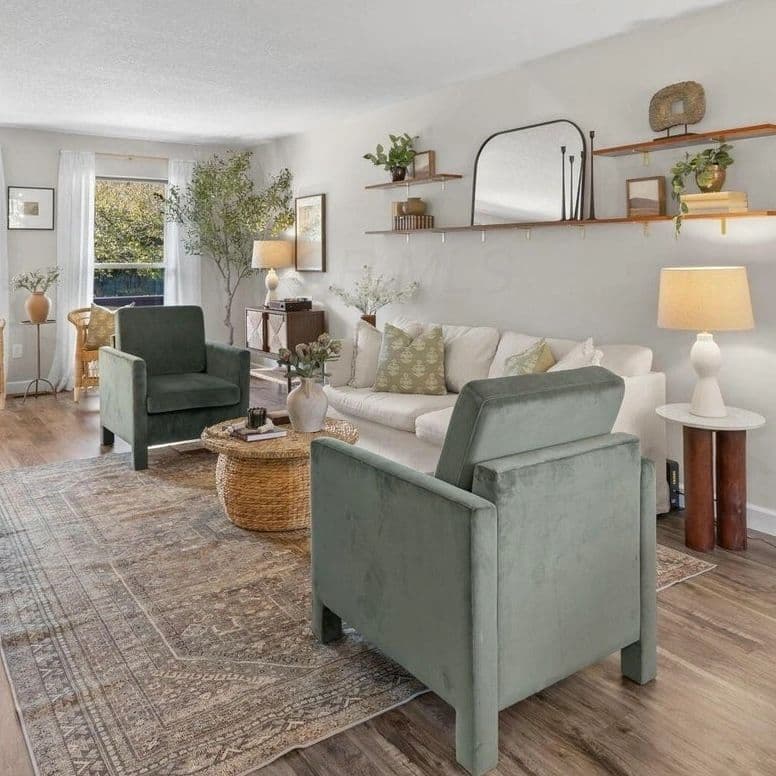
Linwood Avenue | Columbus
Most of what we do on a walkthrough is subtraction. Knowing what not to do when staging a house is at least as useful as knowing what to add, and the mistakes below are ones we see in lovely homes, owned by people with good taste. Staging is simply a different job from decorating.
What not to do when staging a house: the ten we see most
1. Staging for yourself
Your home is decorated for the way you live. A staged home is arranged for the widest range of buyers to picture the way they would live. That usually means calmer colour, fewer objects and furniture that shows off the architecture rather than the owner.
2. Too much furniture
The most common problem by far. An extra chair or a bulky ottoman can make a generous room look tight. Clear walkways of about three feet where you can, and let at least one wall breathe.
3. Rugs that are too small
A little rug floating in the middle of a living room shrinks the room in photos. The front legs of the sofa and chairs should sit on the rug. Bigger is almost always better.
4. Mixed or harsh lighting
Cool white overheads next to warm lamps make a room look patchy. Match bulb colour in each space, replace anything burnt out, and add lamps to dim corners. In the Linwood Avenue project in Columbus, soft lamplight and pale curtains hung high let the daylight carry the rooms.
5. Leaving the personal layer
Family photos, fridge art, trophies, collections. They are the best part of living in a home and the first thing to pack when selling it. Buyers should be imagining their own photos on those walls.
6. Hiding problems instead of fixing them
A rug over a stained floor or a plant in front of a cracked outlet will not survive an inspection, and buyers often notice anyway. Fix the small things before you style around them.
7. Ignoring the entryway
The entry is the first photo after the exterior and the first room every buyer walks into. A console, a mirror, a lamp and a clear floor do a lot. Shoes, coats and a pile of mail do the opposite.
8. Too much scent
Plug-ins, candles and sprays make buyers wonder what is being covered. Clean air is the goal. Open windows before a showing if the weather allows.
9. Photographing before the staging is finished
Listing photos are the first showing, and they stay online for the whole listing. Book the photographer for right after the install, which usually takes one to two days, not the morning it starts.
10. Buying everything new
Sellers sometimes rush out to buy a new sofa or a set of matching décor, much of which never suits the next house. It is costly and wasteful. Borrowing from a stager's reusable inventory, or working with what you already own, is almost always the better call. Minimising the waste the staging industry produces is one of the reasons Johanna started this studio.
Mistakes that happen on the planning side
- Skipping measurements. A sectional that will not turn the stair corner, a dining table that blocks the walkway. Our onsite assessment exists partly to prevent these.
- Treating the primary bedroom as storage. It is one of the five rooms buyers weigh most. Boxes belong in the garage or a secondary room.
- Staging every room equally. Budget and energy should go to the entryway, living room, dining room, kitchen and primary suite first. See which rooms to stage first.
- Leaving it too late. Packing, cleaning and repairs take longer than anyone expects. Start two to three weeks before your listing date.
And the opposite mistake: going sterile
Some sellers read a list like this and strip the house to bare walls and white everything. That overcorrects. A room with no texture, no art and no lamps looks almost as empty as a vacant one, and buyers struggle to connect with it.
The aim is edited, not erased. Keep a few warm materials in each main room: wood, linen, a woven basket, a living plant, one or two pieces of art at the right height. The Linwood Avenue rooms work because the olive trees, rattan chairs and sage green velvet add warmth while the surfaces stay clear.
How to avoid all of this in an hour
Our advisory staging consultation is a one-hour walkthrough of your home, room by room. A team member points out what to move, what to pack and what to fix, then writes up a checklist so nothing is forgotten. If you would rather not do the heavy lifting yourself, ask us about hands-on help.
It is the most affordable way to get a stager's eye on your house, and for many well-kept homes it is all the staging they need.
For the prep checklist in full, read how to prepare your home for staging. When you are ready, request a free estimate.
The service behind this article
Advisory Staging Consultation →A one-hour walkthrough and a written checklist for preparing your home with what you already own.