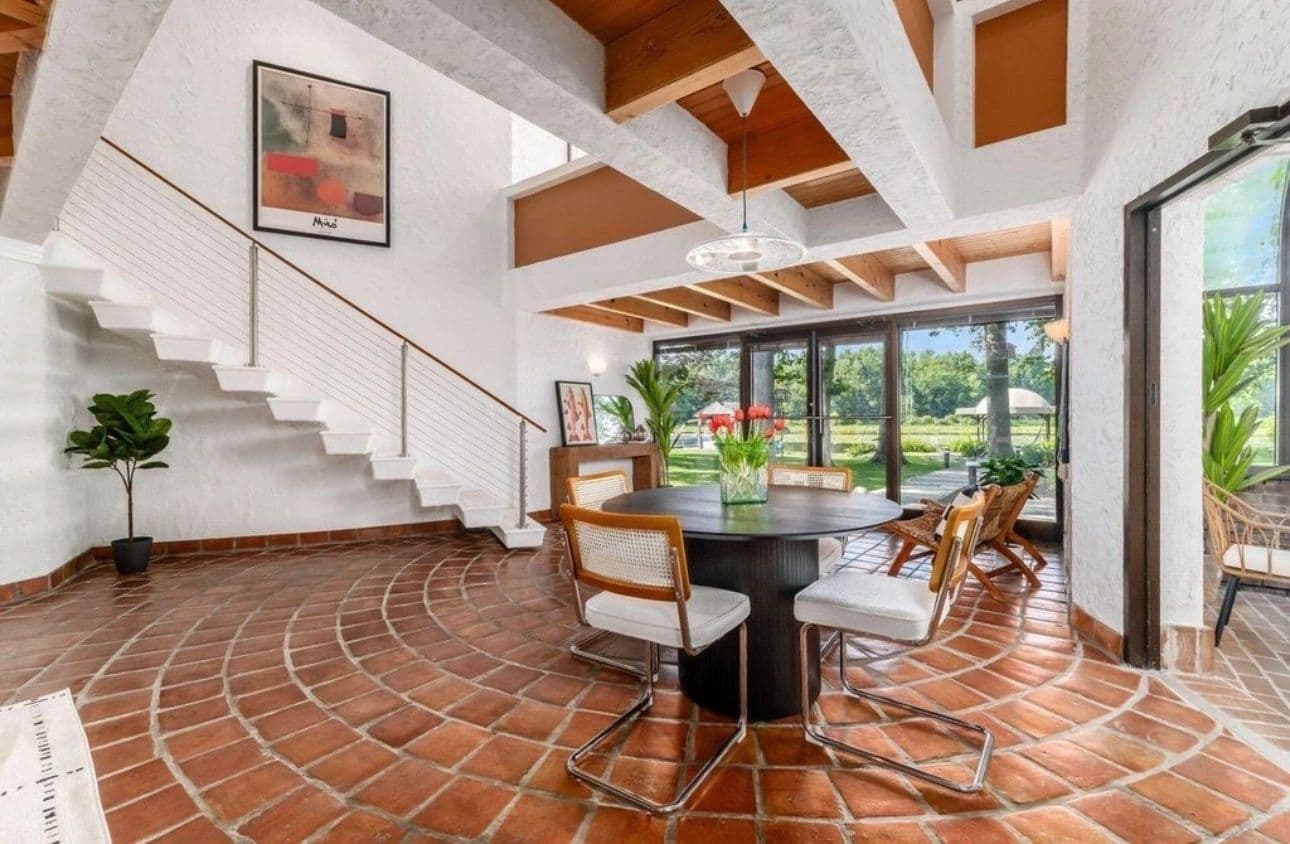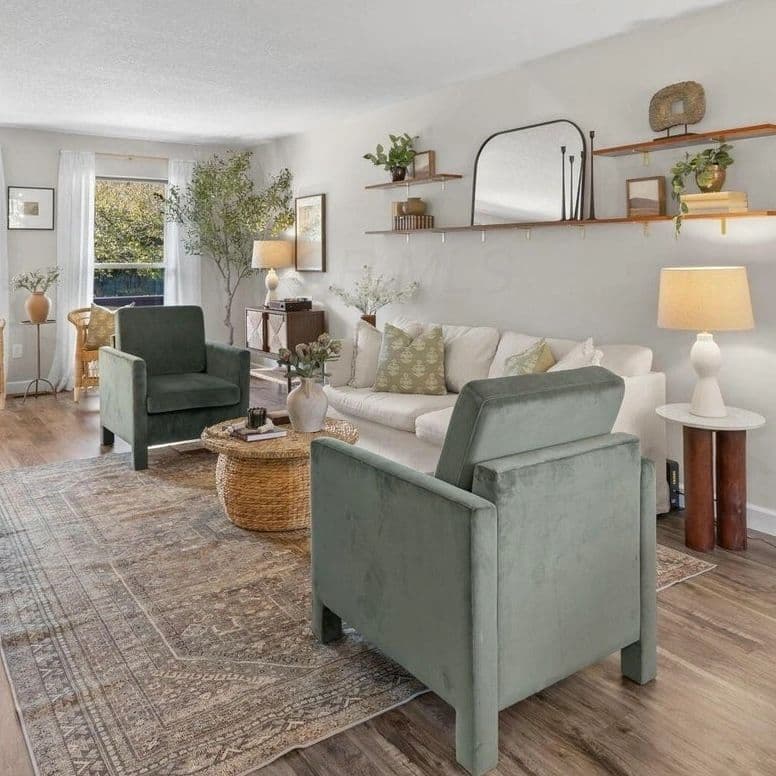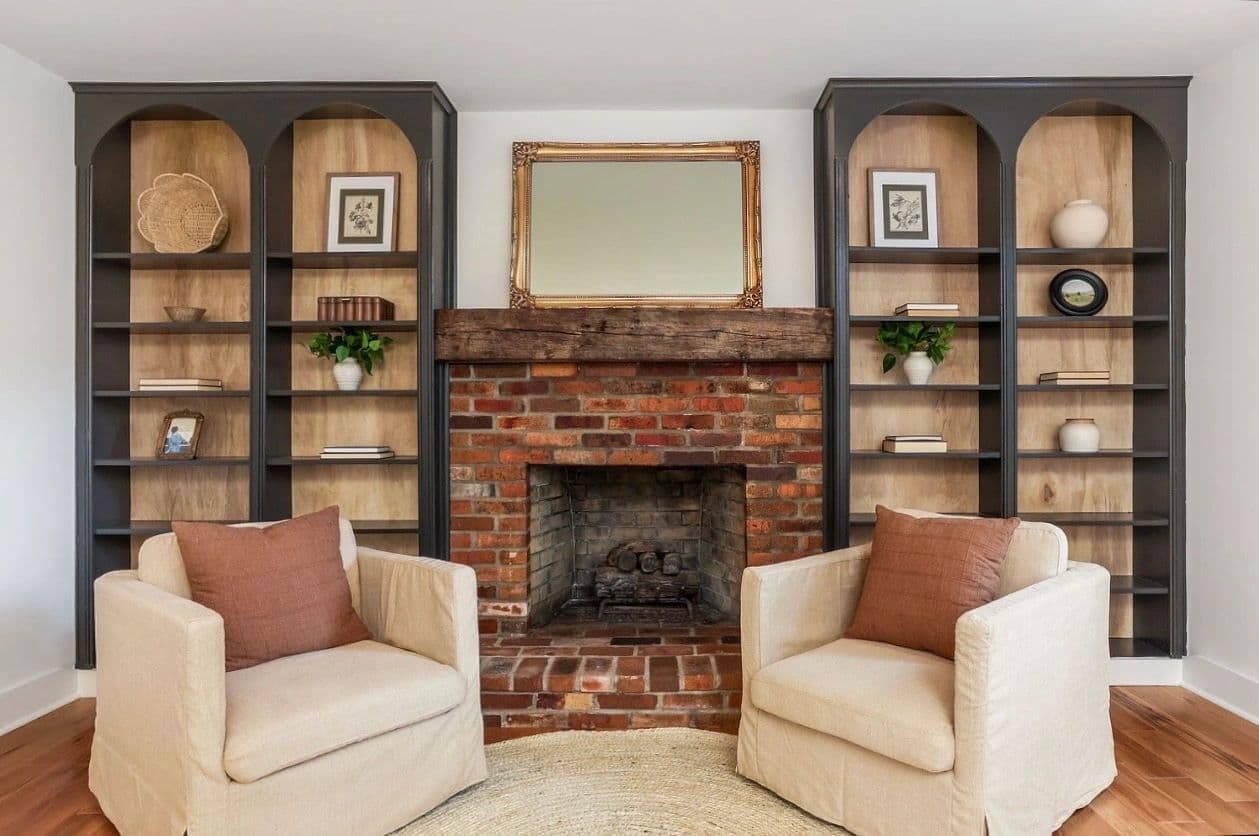

Preparing to Sell · 6 min read
Staging a Vacant Home on a Budget
Spend on the rooms buyers see first, do the free prep yourself, and time the install so every day of the term counts.

By Johanna French, owner and head stager
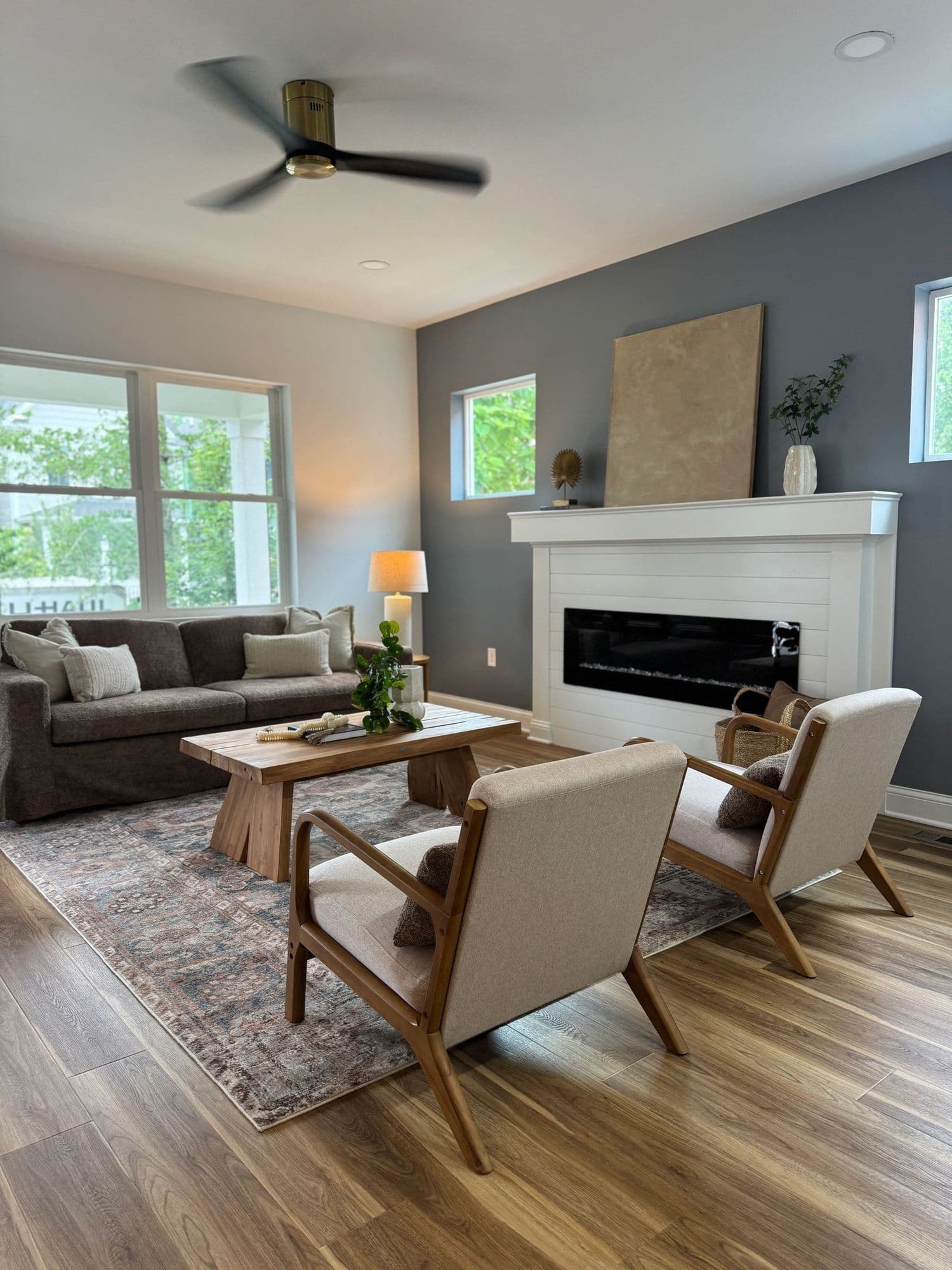
N 21st Street | Columbus
An empty house costs money every month it sits, so it is natural to want to spend as little as possible getting it ready. The good news: staging a vacant home on a budget is mostly about choosing well, not about cutting corners. Here is where we would put the money, and where we would not.
Staging a vacant home on a budget starts with the right rooms
Every vacant home we stage starts with the same recommendation: entryway, living room, dining room, kitchen and primary suite. Those five spaces carry the listing photos and the emotional first impression. If the budget only stretches so far, stage them well and leave the rest.
Staging three rooms beautifully does more for a listing than staging eight rooms thinly. A living room with a properly scaled sofa, rug and lamps photographs as a real room. A living room with one chair in the middle photographs as an empty room with one chair in it. Our post on which rooms to stage first explains the ranking.
Do the free work yourself
The cheapest improvements are the ones that cost only time. Before the stager arrives:
- Deep clean every room, including windows, baseboards and inside cabinets.
- Touch up scuffed paint. A quart of the original colour goes a long way.
- Replace dead bulbs and match bulb colour throughout the main rooms.
- Open every blind to the same height, and remove broken ones.
- Tidy the exterior: sweep, trim and clean the front door.
- Clear anything left behind by previous occupants, from the garage to the lower level.
None of this needs a professional, and all of it shows up in photos.
Spend on scale, save on extras
In a vacant home, the pieces that matter most are the big ones: the sofa, the rug, the dining table, the bed. They give each room its scale and purpose. Accessories matter too, but a few well-chosen ones do more than many. A single large piece of art reads better than a cluster of small frames, and one healthy plant does more than a shelf of trinkets.
The N 21st Street project in King-Lincoln is a good illustration. It is an open plan, so the essentials did the heavy lifting: a dining table and chairs beside the island, a seating group facing the fireplace, a sturdy wood coffee table, and a coat, boots and baskets in the mudroom so buyers could see it in use.
Bedrooms beyond the primary
Secondary bedrooms can stay empty or be staged to show their purpose. If a small bedroom would make a useful home office, a desk and chair can help buyers understand that option. Discuss these choices during the assessment so the scope fits your property.
Ask your agent how many photos the listing will carry. If a room will not appear in them, it probably does not need more than a clean floor and good light.
Make the 30-day term count
Our standard staging term is 30 days, with extensions available. The most avoidable cost we see is paying for staging while the house is not yet on the market. To make every day count:
- Finish repairs, paint and cleaning before install day.
- Book the photographer for right after the install, which usually takes one to two days.
- Coordinate the listing date with your agent so the house goes live as soon as photos are ready.
- Plan open houses and early showings inside that first 30-day window.
What not to cut
- The onsite assessment. It confirms measurements, lighting, layout and delivery logistics, and it prevents mistakes like furniture that does not fit through the door.
- Rug size. An undersized rug makes a room look smaller, which is the opposite of what you are paying for.
- Lighting. Lamps warm up an empty house in photos and in person, especially in darker Ohio months.
A lower-cost starting point
If you have some furniture of your own available, or you are prepping a house before moving out, a one-hour advisory consultation can be a sensible first step. A team member walks the home, then writes up a checklist of what to place where and what to fix. For a fully empty house, though, vacant home staging is usually the better fit, because we bring the furnishings, art and decor and handle delivery, styling and setup ourselves.
Our inventory is reusable and cared for, and we lean on eco-friendly materials wherever we can. That keeps waste down, and it means your budget pays for design and placement rather than new things bought for a single listing.
Putting numbers on it
For public context on pricing, and what moves the figure up or down, read home staging cost in Columbus. If you are still deciding whether to stage at all, Stage or Sell Empty? lays out both sides.
Tell us the size of the house and the rooms you want to focus on, and we will send a free estimate built around your budget.
The service behind this article
Vacant Home Staging →Full furnishings, art and decor for an empty house, focused on the rooms that sell. Installed in one to two days.